A Lean Production
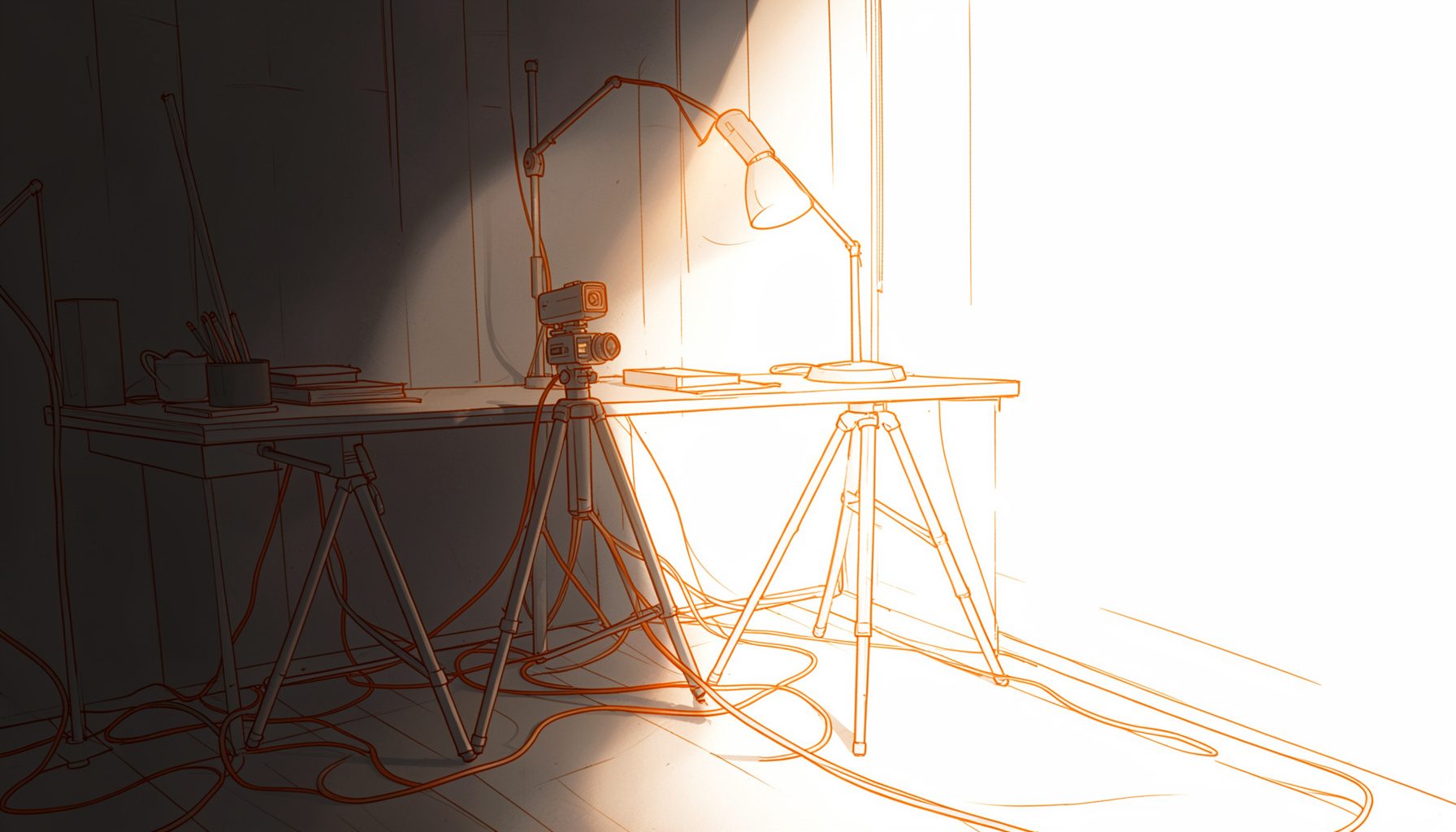
Third Contact began filming in early 2010 on a shoestring estimated budget of around £4000. Director Simon Horrocks worked with minimal equipment — a camcorder, a single light, and basic sound gear — favouring resourcefulness over scale.
That constraint shaped the look and rhythm of the film, pushing the production toward intimate, controlled scenes rather than elaborate sets or crews.
The making of this film is a testament to what can be achieved with limited resources and boundless creativity. Working with a skeleton crew and modest equipment meant every decision carried weight, from the framing of each shot to the timing of each scene. The small team learned to adapt quickly, solving problems on the fly and turning constraints into stylistic strengths. This hands-on, lean approach fostered a collaborative atmosphere where every voice mattered, and the result is a film that feels both intimate and ambitious. The experience proved that storytelling, not budget, is the true engine of cinema.
Behind every independent production lies a network of support and shared passion. The crew members brought diverse skills to the table, often wearing multiple hats to keep the project moving forward. From handling sound and lighting to managing continuity and props, each person contributed far beyond their formal role. This spirit of collective effort created a tight-knit working environment where trust and communication were essential. The challenges of a low-budget shoot ultimately forged stronger bonds among the team, reminding everyone that filmmaking is as much about people as it is about technology or equipment.
The visual and tonal choices made during production were shaped directly by the limitations of the gear on hand. With only a single light source available, the cinematography leaned into natural shadows and contrast, giving the film a raw, grounded texture that larger productions often lose. Sound was captured with basic equipment, requiring quiet sets and careful microphone placement. These restrictions encouraged the director and crew to think carefully about blocking and composition, resulting in a visual language that feels deliberate and unhurried. What began as a necessity became a defining aesthetic for the entire project.
Equipment
Camcorder, one light source, and basic sound recording made up the core kit for the shoot.
Budget
Filming operated on an estimated budget of roughly £4000.
Post-Production
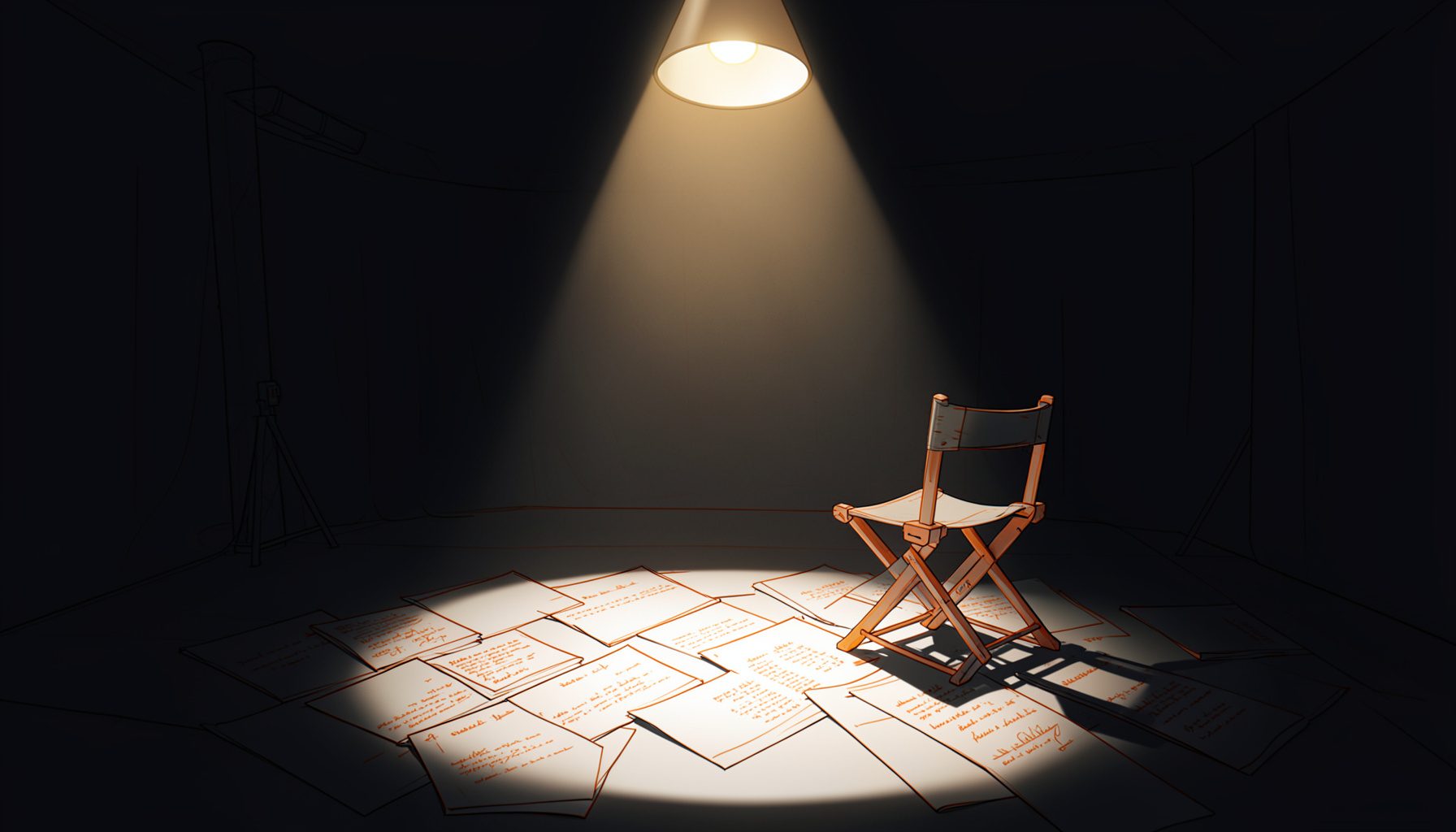
The film was re-edited and re-scored by Simon Horrocks, trimming the runtime from 95 to 85 minutes.
| Stage | Detail |
|---|---|
| Shoot start | Early 2010 |
| Estimated budget | £4000 |
| Original runtime | 95 minutes |
| Re-edited runtime | 85 minutes |
| Score | Composed by Simon Horrocks |
Reworking the Film
After the initial cut, Horrocks returned to the material, re-editing the picture and re-scoring it himself. The result was a tighter 85-minute version, refined ahead of festival screenings and the film's wider release.